

About Us

About us – the Nordic Oats Consortium
About us – the Nordic Oats Consortium
About Ruokatieto Yhdistys (Finland): Ruokatieto Yhdistys promotes Finnish food culture, sustainable agriculture, and industry excellence through education, research, and communication.
About Lantbrukarnas Riksförbund (LRF) (Sweden): Lantbrukarnas Riksförbund (LRF) represents Swedish farmers, forest owners, agricultural co-operatives, and forestry co-operatives. LRF works to create better conditions for its members’ businesses, thereby contributing to a more sustainable world and quality food.
Participating in this campaign are the following companies from The Nordic Oats: Lantmännen, Fazer Mills, Helsinki Mills, Berte Qvarn, and 65 Oats by Kinnusen Mylly.
Heritage & Technical Expertise
Heritage & Technical Expertise
We have a heritage of high quality with well-educated farmers, who often have been farmers for several generations.
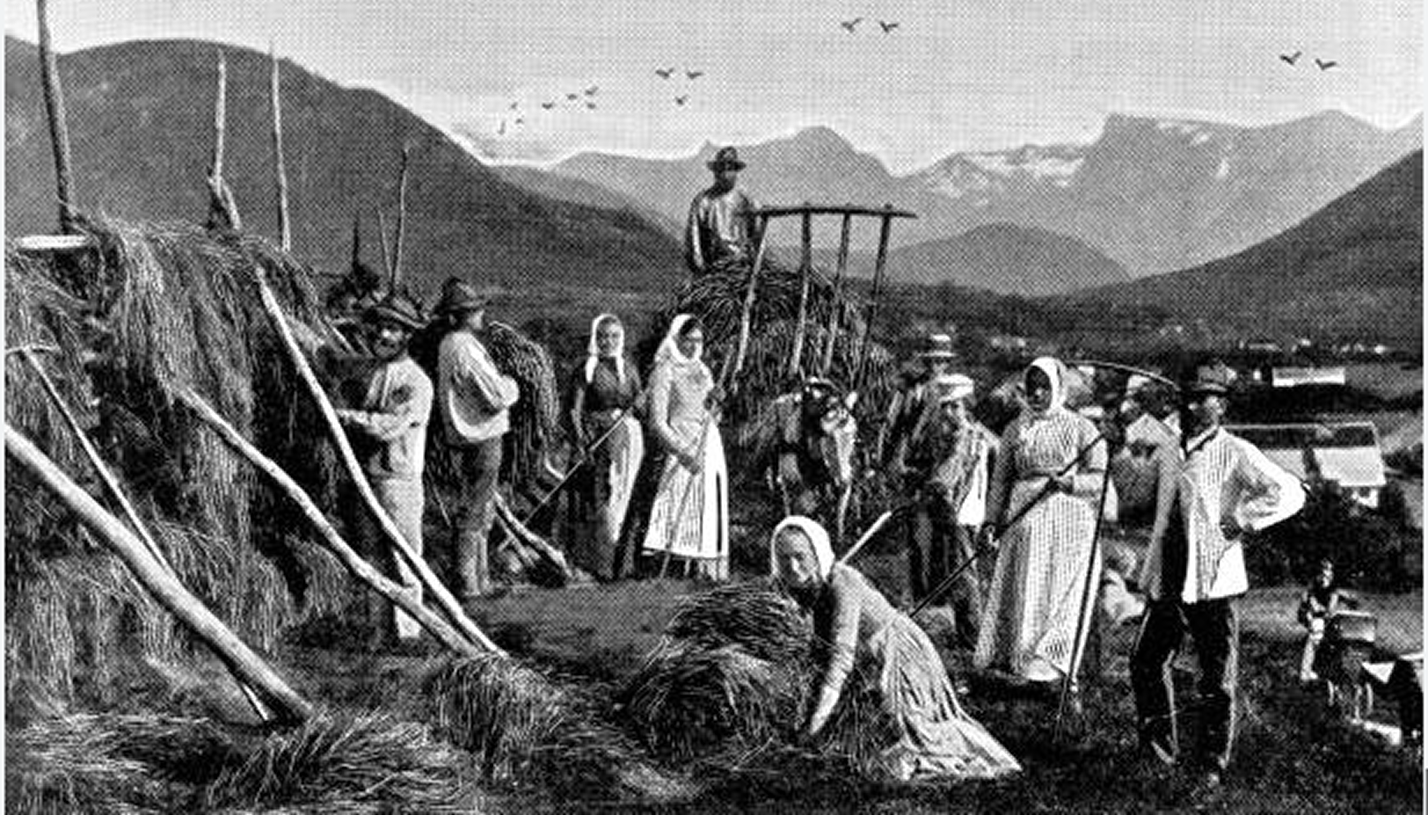
A long-standing heritage of oat farming
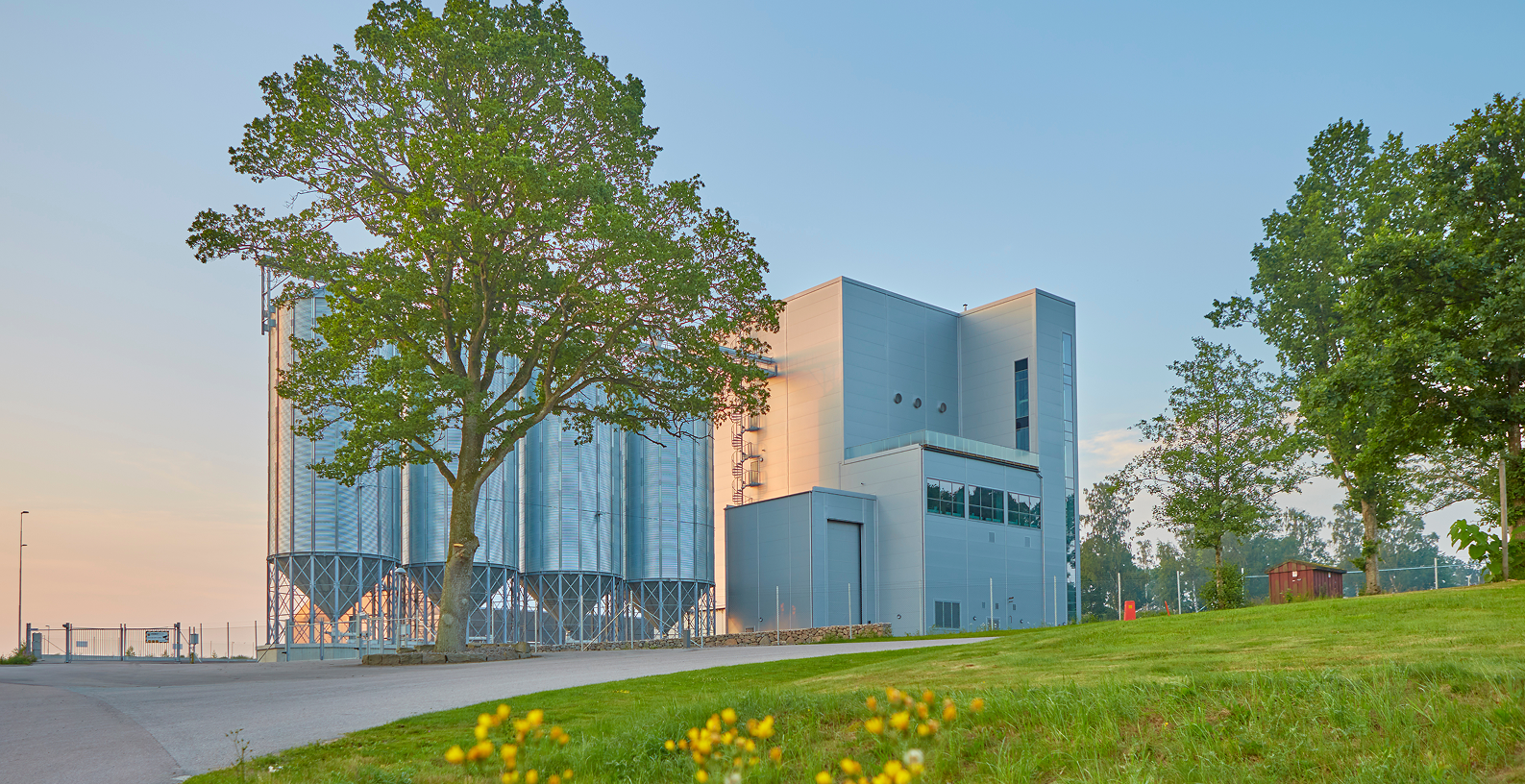
Sweden and Finland have a rich tradition of oat cultivation dating back centuries. Generations of well-educated farmers have passed down their knowledge, blending heritage with innovation to grow high-quality oats. Some family-owned mills have been producing oats for over 14 generations, carrying forward expertise that began in the 16th century. By the 18th century, oats were cultivated on a larger scale, and by the 19th century they accounted for around half of all grain harvested in the region, proving their enduring importance in Nordic diets.
High-quality and sustainable farming
High-quality farming
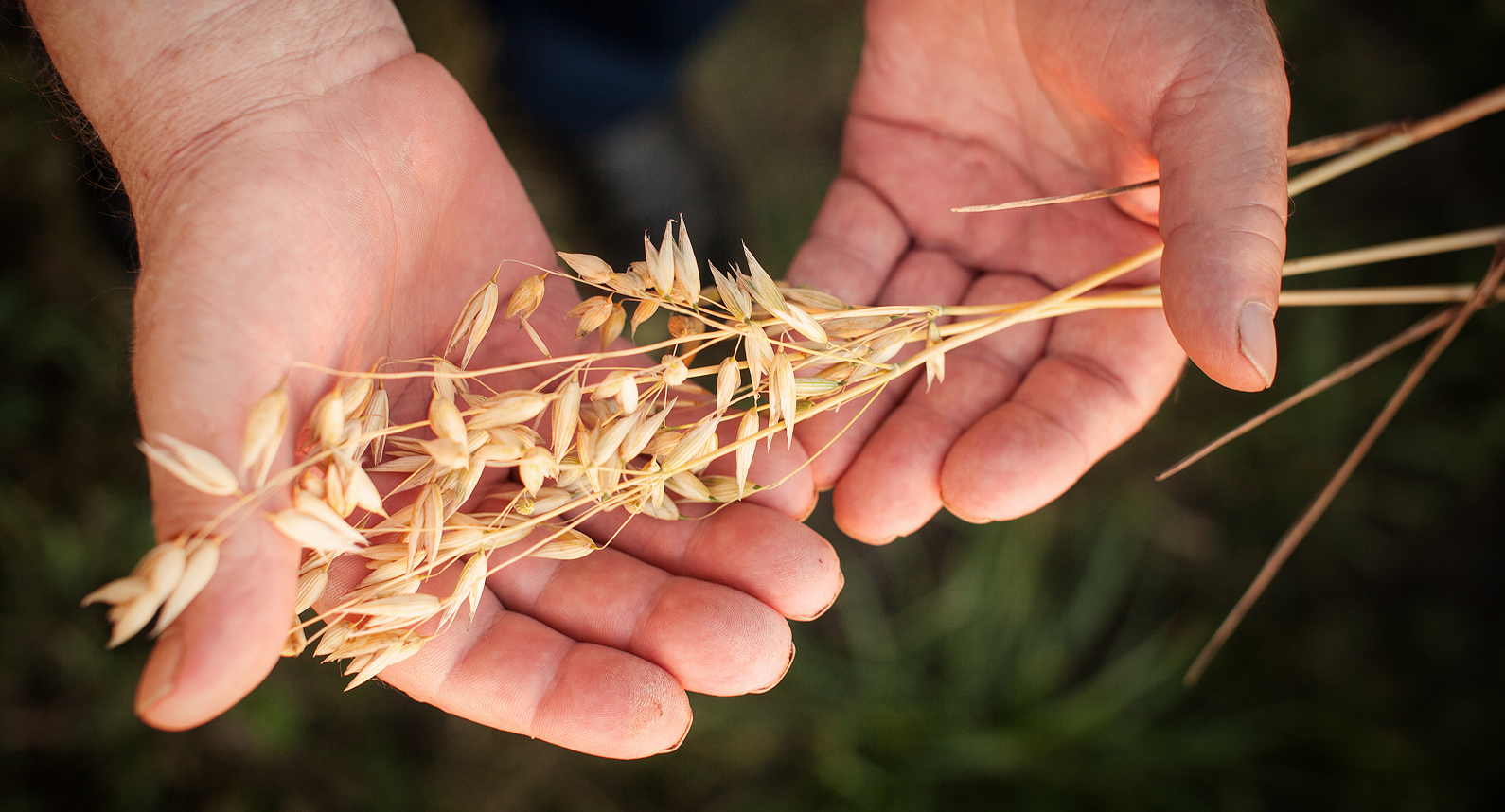
Sweden and Finland combine fertile soils, optimal climate, and generations of expertise to grow superior oats with minimal environmental impact. Farmers employ advanced practices such as integrated pest management, crop rotation, and precision agriculture to protect soil health, conserve biodiversity, and reduce pesticide use. Cold winters naturally limit pests, and frequent summer rain minimizes irrigation, supporting clean and resilient cultivation. Oat mills typically operate under FSSC 22000, ISO, and HACCP systems, and appropriate organic, gluten-free, and other certifications are issued when applicable.
Sustainability in practice
Our producers embrace circularity and resource efficiency, ensuring that by-products from milling and processing are repurposed for energy, animal feed, or other uses. Cutting-edge strategies also reduce carbon footprints and energy use, promote biodiversity, and optimize packaging and logistics. These practices combine traditional expertise with modern technology to produce oats that are both high-quality and environmentally responsible.
Top-level research and innovative processing techniques
Sweden and Finland lead in oat research and innovation, developing high-quality, beta-glucan-rich oat varieties that thrive in diverse climates. Cutting-edge processing such as fractionation, extrusion, and enzymatic treatment enhances nutritional value and versatility, while Nordic companies prioritize sustainability and circularity to create innovative, plant-based oat products with minimal waste.